






























How to choose the right vitrified bond wheels
Vitrified bond grinding wheels are widely used in precision grinding due to their high porosity, good heat resistance and stable chemical properties. Selecting a suitable vitrified wheel directly decides grinding quality and production efficiency.
First, match the abrasive type to workpiece materials. Aluminum oxide suits carbon steel and alloy steel, while silicon carbide works better for cast iron, ceramics and non-ferrous metals. Second, grain size is critical. Coarse grains remove material quickly for rough grinding, and fine grains deliver smooth surface finish for finishing processes. Third, hardness grade needs careful consideration. Harder wheels hold grains longer for soft workpieces; softer wheels self-sharpen faster when grinding hard materials to avoid loading and burning.
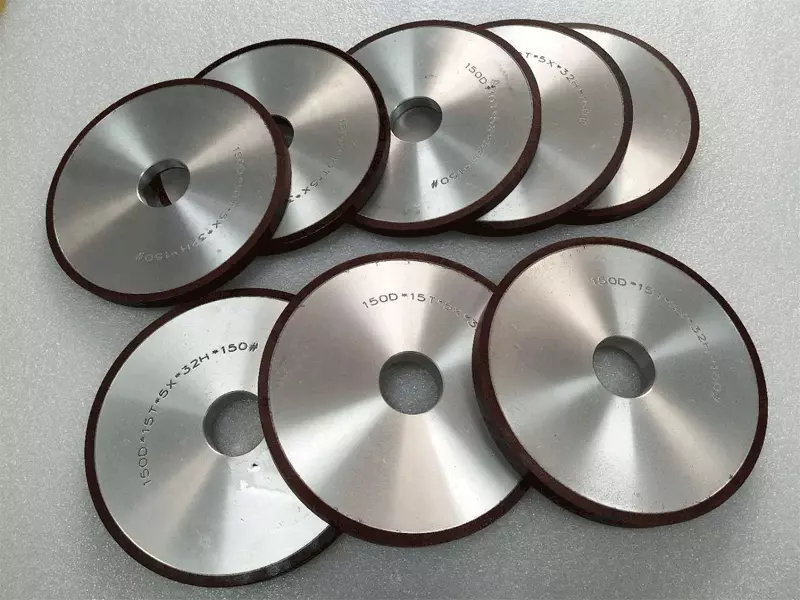
Porosity is another key parameter. High-porosity vitrified wheels provide enough chip space and cooling channels, ideal for creep feed grinding and heat-sensitive parts. Low-porosity options offer higher structural strength for heavy-load grinding. The wheel shape and dimension must fit your grinding machine spindle and fixture.
You also need to consider grinding parameters including peripheral speed, feed rate and coolant. Coolant is strongly recommended to reduce thermal damage. Before formal use, inspect wheels for cracks and run a trial run. A properly selected vitrified bond wheel reduces workpiece burn, chatter marks and dressing frequency, lowering overall manufacturing cost.
Next: No More
